
WORDS: Karla Adams
PHOTOS: Julian Jolliffe
There’s something powerful that happens when fitness leaves the four walls of a gym and meets the open air. The rhythm of your breath syncing with your stride, the sun warming your skin, and the quiet motivation that comes from seeing other people out there choosing their health—it changes everything.
Riverside has always been one of those places where movement feels natural, accessible, and energizing, especially if you’re looking to build a fun, consistent, low-risk fitness lifestyle that supports your body long term.
Back when I was a runner, some of my most memorable and grounding workouts happened right here on Victoria Avenue, Sycamore Canyon, and Mount Rubidoux. These routes weren’t just places to train; they were places to think, reset, and reconnect with why movement matters. And the beautiful part is that they’re still some of the best options today for walking, power walking, slow jogging, or biking—especially for people who want results without burning out or dealing with constant injuries.
Mount Rubidoux: Iconic, Social, and Energizing
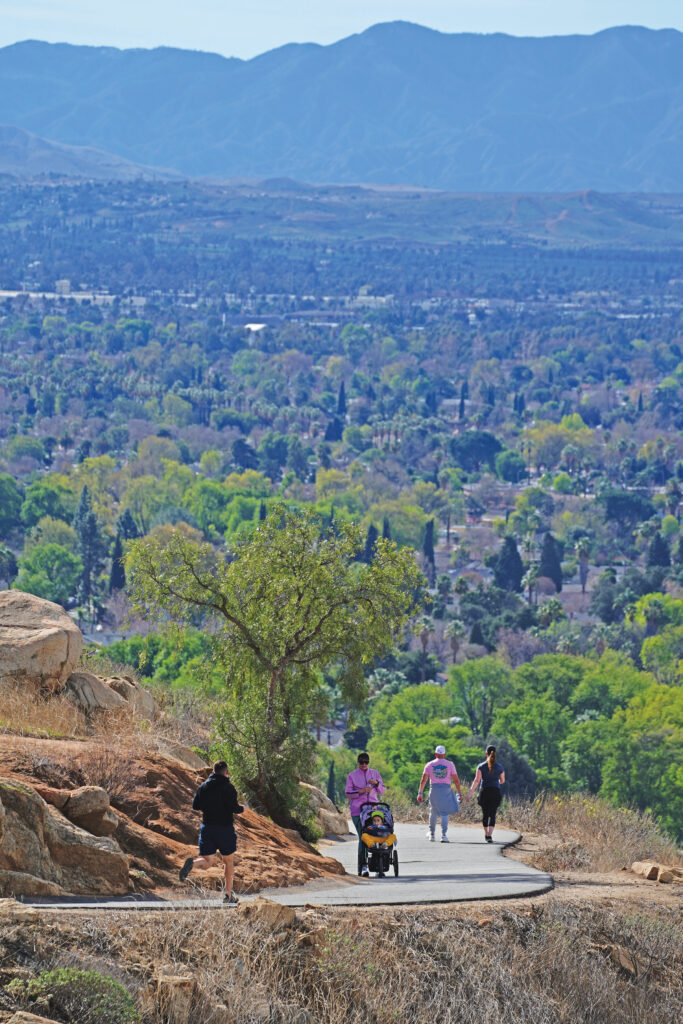
Mount Rubidoux is more than a trail—it’s a Riverside tradition. Known across Southern California, this paved loop and summit climb has long been highlighted by fitness writers and local wellness communities as one of the most accessible hill workouts in the region. What makes it special is that it truly welcomes everyone: walkers, power walkers, runners, cyclists, families, and older adults all share the same path.
For me, Mount Rubidoux has always held personal meaning beyond fitness—Louis Rubidoux, whom Mount Rubidoux is named after, is one of my relatives, which makes every walk there feel even more connected to history, roots, and purpose.
From a fitness standpoint, Mount Rubidoux is ideal for fat-focused training. Walking or fast power walking uphill elevates heart rate naturally without the pounding impact that comes from running on flat ground. This is especially important if you have knee issues. Uphills tend to be far more joint-friendly than downhills, which place braking stress on the knees and hips. Many physical therapists and fitness professionals recommend incline walking specifically for this reason.
Another powerful element of Mount Rubidoux is the energy. You are rarely alone. Seeing people out there consistently—solo, in pairs, or in groups—creates an unspoken sense of accountability. Research and real-world experience both show that social fitness environments improve consistency, and Mount Rubidoux delivers that in a very organic way.
Sycamore Canyon: Nature, Flow, and Community
Sycamore Canyon is often highlighted in outdoor and fitness articles for its wide trails, open views, and gentle elevation changes. It’s the kind of place where fitness doesn’t feel forced. When I used to run here, it was less about pace and more about rhythm—finding a sustainable flow and letting the body move the way it was designed to.
This area is excellent for low-impact endurance workouts. Walking, hiking, biking, and slow jogging all fit naturally here, and the terrain allows you to easily adjust intensity. That flexibility makes Sycamore Canyon especially valuable for people who want longer workouts that support cardiovascular health and fat metabolism without excessive joint strain.
It’s also a very social environment. You’ll see familiar faces, small walking groups, cyclists pacing one another, and families turning movement into shared time. That social aspect matters. Fitness becomes far easier to maintain when it’s woven into community rather than treated like a chore.
For those dealing with knee discomfort, Sycamore Canyon allows you to slow down, stabilize, and focus on control. Simply contracting and stabilizing the muscles around the knee—the quads, hamstrings, and glutes—while walking can improve support and reduce pain over time. Movement doesn’t have to be aggressive to be effective.
Victoria Avenue: Steady, Scenic, and Sustainable
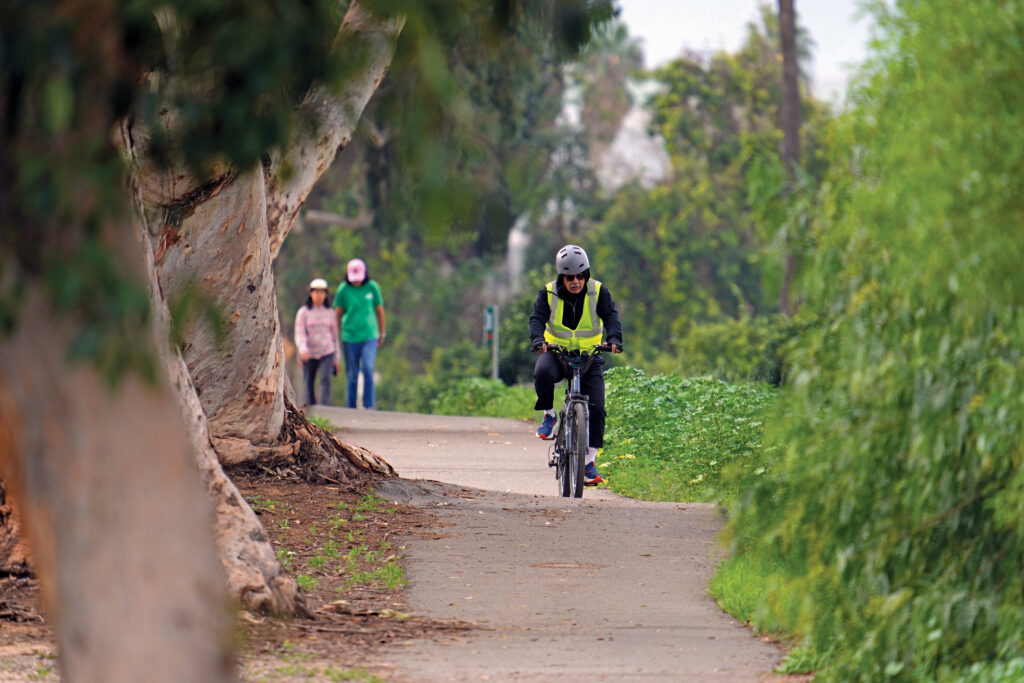
Victoria Avenue offers a different but equally valuable experience. Lined with citrus trees and historic charm, it provides a long, relatively flat route that’s perfect for walking, biking, or light jogging. While it doesn’t have the same volume of people as Mount Rubidoux or Sycamore Canyon, there’s still enough activity to keep you motivated without feeling crowded.
From a fitness perspective, Victoria Avenue is ideal for beginners or anyone returning to activity after time off. The terrain is predictable and forgiving, making it easier to focus on posture, breathing, and consistency. Many fitness experts agree that environments like this are perfect for building habits first, before intensity ever becomes a priority.
Why Walking and Power Walking Work
One of the biggest misconceptions in fitness is that you have to run to burn fat. In reality, low-intensity walking, fast power walking, and slow jogging are some of the most effective ways to target fat, especially when done consistently.
If you have knee issues, you should not run or jog. Instead, focus on walking with intention, choosing uphill routes when possible, and avoiding aggressive downhills. Stabilizing your legs, shortening your stride, and maintaining upright posture can make a significant difference in joint comfort.
How to Start Without Overdoing It
Riverside offers an incredible outdoor foundation for building a lifelong fitness routine. Whether it’s the iconic community energy of Mount Rubidoux, the natural flow of Sycamore Canyon, or the steady consistency of Victoria Avenue, these routes support real life—not perfection.
Your body was designed to move, and sometimes the most powerful transformation starts with simply stepping outside and choosing a trail that keeps you coming back.
Riverside-based personal trainer Karla Adams has been featured on over five magazine covers including Muscle & Fitness Hers (2022). She specializes in custom exercise science and sport nutrition lifestyle plans. For more info go to karlaadams.com or call 1-800-2606.FIT.
Article originally published in Riversider Magazine, Feb/March Issue