
Riverside is a city steeped in history, serving as the birthplace of the state’s citrus industry and boasting architectural marvels that reflect our region’s diverse history of building styles. From the grand, Spanish-revival Mission Inn Hotel & Spa to iconic mission-style and early 20th-century civic structures, the historic landmarks of Riverside offer a fascinating journey through time.
These sites not only preserve significant moments in California’s development but also stand as beautiful testaments to our community’s heritage. We invite you to delve into the past and explore some of these must-see historic landmarks on your next visit to Riverside.
Please note: While most of the landmarks listed here are publicly accessible, many of Riverside’s historic landmarks are not open to the public. We kindly ask you to be considerate and respectful, as they may have residents or businesses. If you’d like to see more, mark your calendars for Doors Open Riverside coming this fall, which is your chance to see inside many of our local landmarks that aren’t typically open to the public.
 The Mission Inn Hotel & Spa
As a National Historic Landmark and member of the prestigious Historic Hotels of America, The Mission Inn Hotel & Spa evokes the romance and enchantment of a European castle with a design conceived by some of California’s most famous architects.
The Peter J Weber House
The Peter J. Weber House is City of Riverside Landmark #52. Built between 1932 to 1938, the house is notable not just for its architect and builder (Weber was the accomplished lead designer for the firm of G. Stanley Wilson, Architect), but also for its eclectic Depression-era design inspired by an array of architectural styles and its reliance on salvaged materials.
Evergreen Memorial Historic Cemetery
Located at the base of Mount Rubidoux and an easy walk from downtown, the Evergreen Memorial Historic Cemetery was founded in 1872 and is the resting place of many historic figures of Riverside, including Frank Miller and John W. North. The main gate is located on 14th Street between Pine and Redwood Streets and is open to the public free of charge Monday through Friday between 8am and 5pm as well as for special events.
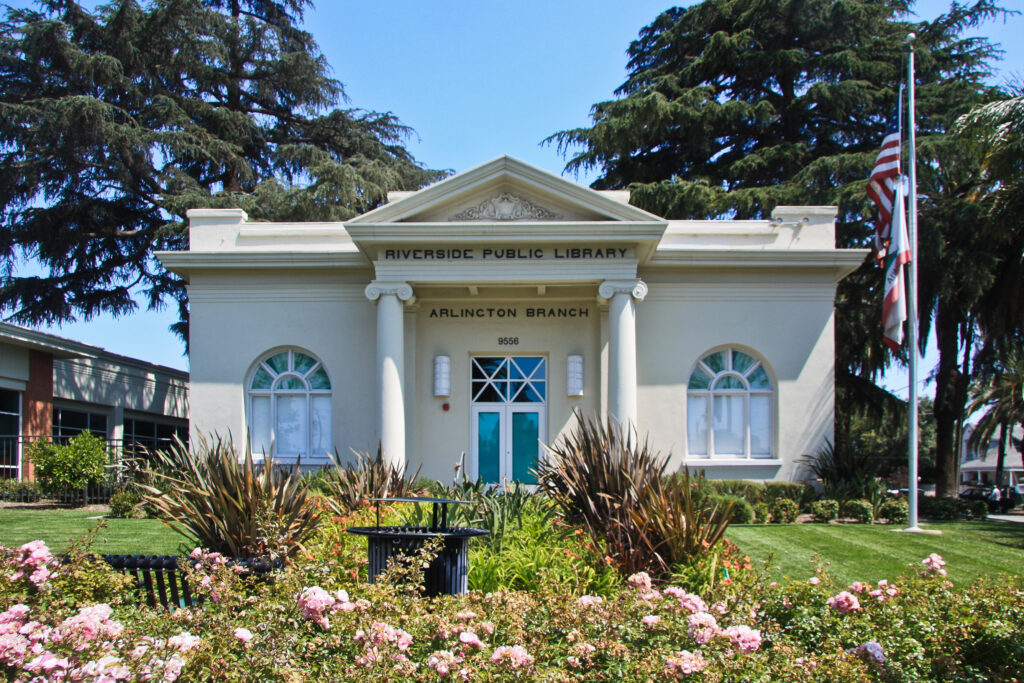
Arlington Branch Library
Designed by Seeley L. Pillar and completed in 1909, this Classical Revival style building is the City’s first branch library and oldest library building. G. Stanley Wilson designed the 1927-28 remodel.
Riverside City College Quadrangle
Begun in 1924 and designed by architect G. Stanley Wilson, the Quadrangle is constructed of adjoining rectangular blocks that form an enclosure around an interior courtyard, recalling an Italian Renaissance palazzo.
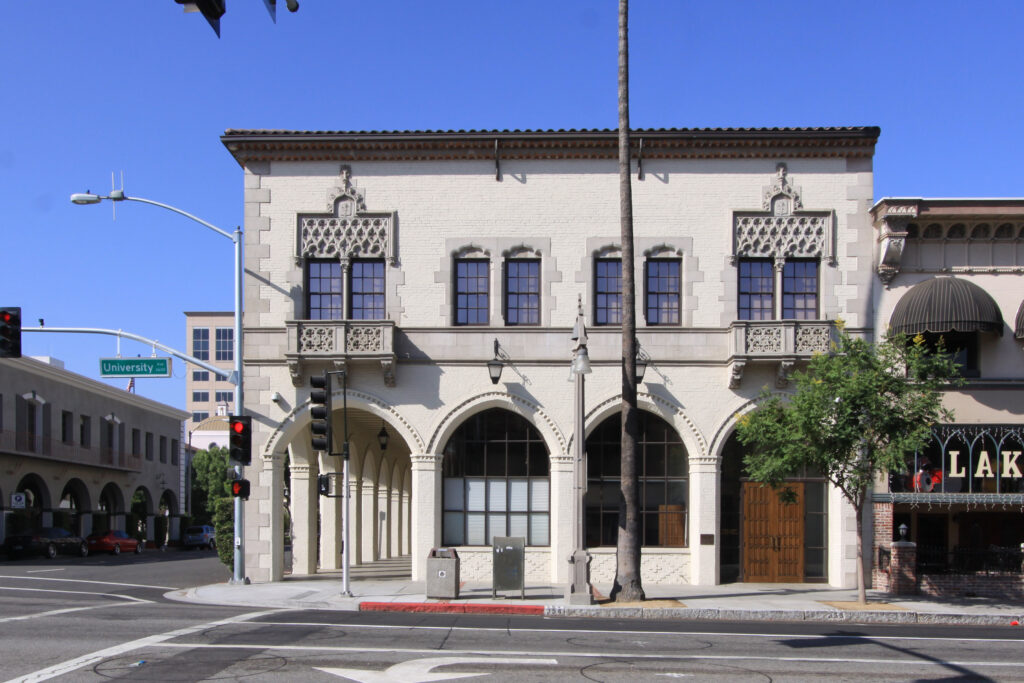
Arcade Building
Los Angeles architects Walker and Eisen designed this circa 1928 Spanish Renaissance arcade style building for the Security Title Insurance and Guaranty Company. It was restored in 1976.
Riverside County Courthouse
Designed by Franklin P. Burnham in the style of Beaux-Arts Classicism, the courthouse was completed in 1903. Contractor F. O. Engstrom used brick and concrete for this building, which features ionic columns and classical sculpture.
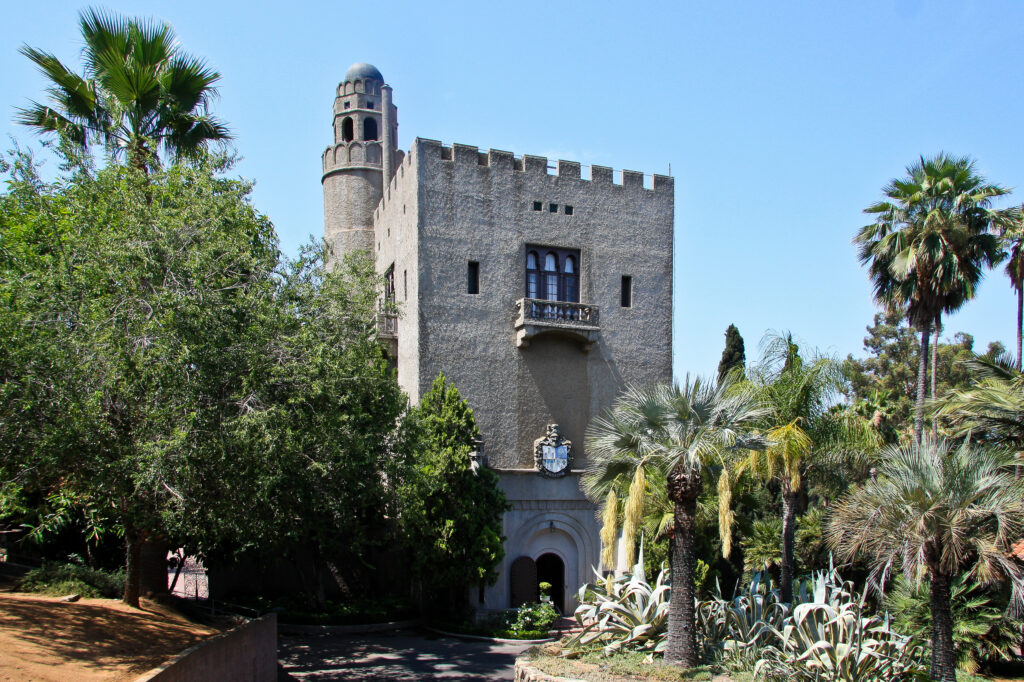
Benedict Castle
Designed by Henry L. A. Jekel, this Medieval-Spanish style structure exhibits strong Moorish influences. The residence was built in two stages between 1921 and 1931 as a luxurious home for Charles W. Benedict.
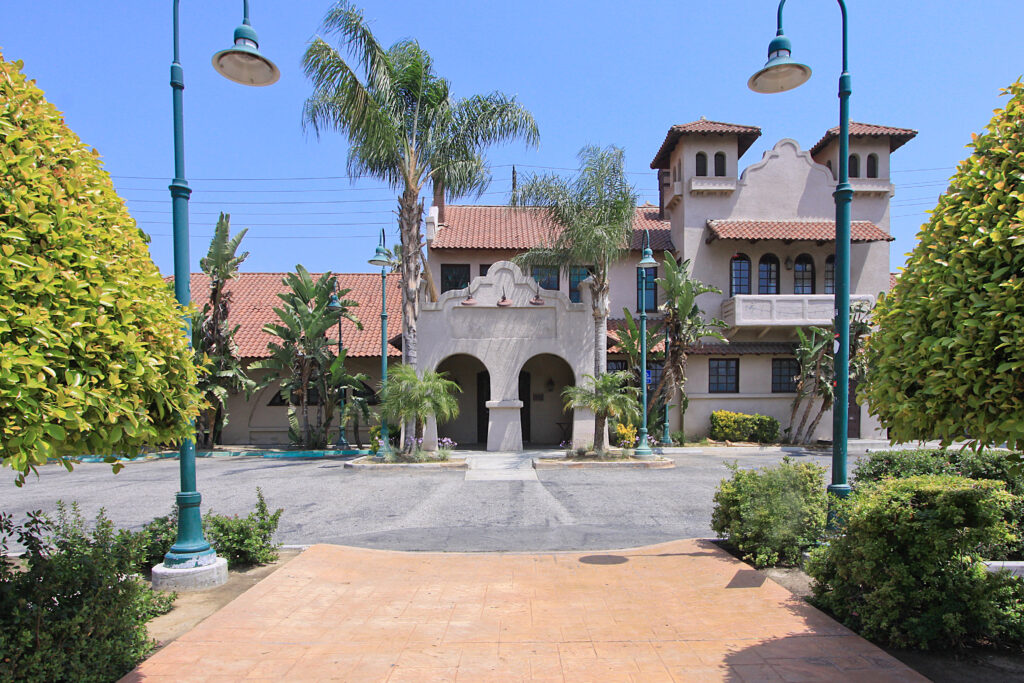
Union Pacific Depot
This Mission Revival style depot was built in 1904 by the San Pedro, Los Angeles, and Salt Lake Railroad, which became part of the Union Pacific in 1921. Passenger service was discontinued in 1971.
Come experience the art, the history, and the charm of of Riverside’s architectural gems!
View this post on Instagram